
Understand that hockey’s physical demands create unique recovery challenges requiring targeted solutions. Between bone-crushing body checks, repetitive skating motions, and back-to-back games, your body faces inflammation, joint pain, and muscle soreness that can derail performance. CBD oil canada products have emerged as a natural recovery option that addresses these specific issues without the side effects of traditional pain medications.
Recognize that CBD works by interacting with your body’s endocannabinoid system to reduce inflammation and manage pain signals. For hockey players, this means faster recovery between periods, reduced joint stiffness after intense practices, and better sleep quality for optimal healing. Unlike opioids or NSAIDs, CBD offers non-addictive relief without impacting your reaction time or cognitive function on the ice.
Choose products designed for athletic recovery, including topical creams for targeted relief on shoulders and knees, tinctures for systemic inflammation, and CBD-infused sports drinks for post-game recovery. Start with lower doses of 15-25mg and adjust based on your body’s response and training intensity.
Verify that any CBD product you use is third-party tested, THC-free, and compliant with hockey league regulations. This ensures you benefit from clean, effective recovery support without risking eligibility or testing positive for banned substances.
Understanding CBD and How It Works for Athletes
Is CBD Legal for Hockey Players?
Good news for hockey players: CBD is legal in most competitive settings. In 2018, the World Anti-Doping Agency (WADA) officially removed CBD from its prohibited substances list, making it permissible for athletes in WADA-compliant competitions. This was a significant development that opened the door for professional and amateur players to explore CBD’s recovery benefits.
The NHL does not currently prohibit CBD use among its players, though the league maintains restrictions on THC. This distinction is important to understand when selecting products. For junior league players, regulations vary by organization, so checking with your specific league’s anti-doping policy is essential before starting any CBD regimen.
However, a crucial consideration remains: product quality and purity. While CBD itself is legal, some products contain trace amounts of THC that could result in positive drug tests. Always choose third-party tested products that verify THC content is within legal limits (typically 0.3 percent or less). Request a Certificate of Analysis from manufacturers to confirm what’s actually in the product. This approach protects your eligibility while allowing you to benefit from CBD’s recovery properties safely and legally.
The Recovery Challenges Hockey Players Face
Impact-Related Injuries and Soreness
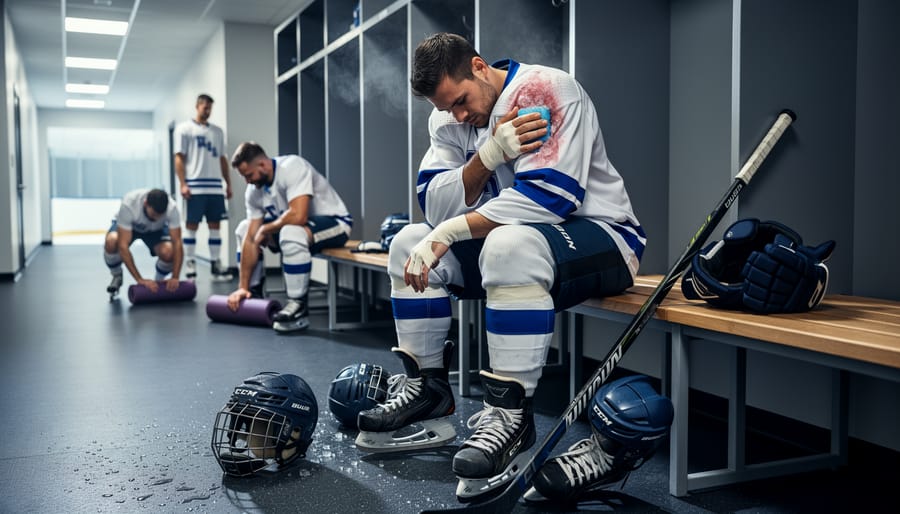
Hockey’s physical nature means impact-related injuries are inevitable. Body checks send players crashing into boards, while falls on ice create bone-jarring collisions that leave lasting soreness. Contact-related bruising and deep muscle damage can sideline even the toughest athletes, affecting performance for days or weeks.
CBD products show promise for managing these impact injuries through their interaction with the body’s endocannabinoid system. Topical CBD creams and balms applied directly to bruised areas may help reduce localized inflammation and provide relief. Many players report faster recovery from contact injuries when incorporating CBD into their post-game routine.
For deep muscle trauma from checks and collisions, combining CBD tinctures with targeted topical applications addresses both systemic inflammation and surface-level discomfort. Start with a moderate dose following particularly physical games, adjusting based on your body’s response. Remember that CBD works best as part of a comprehensive recovery strategy including proper rest, ice therapy, and gradual return to activity.
Joint Stress and Inflammation
Hockey players face unique joint challenges that extend far beyond typical athletic wear and tear. The repetitive skating stride places continuous stress on hip flexors and knee joints, while quick directional changes and sudden stops create ongoing inflammation in ankles and lower body joints. Over time, this cumulative stress can lead to chronic discomfort that affects both performance and daily life.
CBD products have gained attention for their potential anti-inflammatory properties. Research suggests CBD may help modulate the body’s inflammatory response, potentially reducing joint swelling and associated discomfort. Unlike traditional NSAIDs, CBD offers a natural alternative that many players incorporate into their recovery routines alongside proper nutrition and strength training exercises.
Topical CBD creams applied directly to affected joints may provide localized relief, while CBD oils taken orally could address systemic inflammation throughout the body. Many players report improved joint mobility and reduced stiffness when using CBD consistently as part of their comprehensive recovery program.
Sleep Disruption and Travel Fatigue
Hockey schedules are notoriously tough on sleep patterns. Late-night games ending at 10 PM or later, combined with the adrenaline rush from competition, make it difficult to fall asleep quickly. Add cross-country travel for tournaments or away games, and you’re facing serious sleep disruption that directly impacts your recovery.
Quality sleep is when your body performs its most critical muscle repair work. During deep sleep phases, your body releases growth hormone, rebuilds damaged tissue from hits and skating strain, and consolidates the motor skills you’ve been practicing. Missing just one or two hours of sleep can reduce reaction time, decrease strength output, and slow healing.
CBD products show promise in supporting better sleep quality by helping calm post-game mental activity and reducing physical discomfort that keeps players awake. Many hockey players report falling asleep faster and experiencing fewer middle-of-the-night disruptions when using CBD oils or capsules 30-60 minutes before bedtime, particularly after evening games or during travel-heavy periods.
Types of CBD Recovery Products for Hockey Players
CBD Topicals (Creams, Balms, and Lotions)
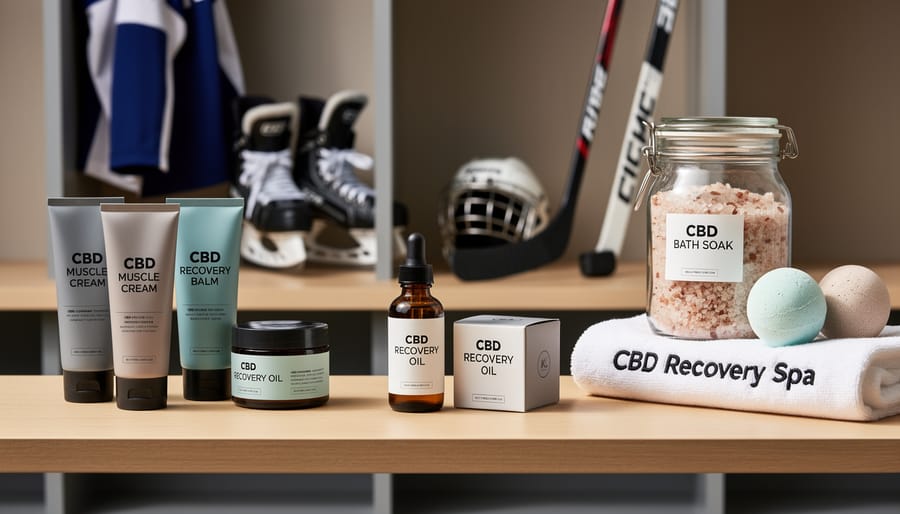
CBD topicals offer targeted relief directly where hockey players need it most. These creams, balms, and lotions work by interacting with cannabinoid receptors in your skin and underlying tissues, providing localized pain relief without entering your bloodstream. This makes them ideal for addressing specific problem areas like bruised shins from blocked shots, sore shoulders from checking, or achy knees from skating.
When applying CBD topicals, focus on clean, dry skin for maximum absorption. Massage the product thoroughly into the affected area using circular motions. Most players find success applying topicals immediately post-game when muscles are still warm and receptive, then again before bed to support overnight recovery. For best results, apply generously to areas that took the most punishment during practice or games.
The localized nature of topicals means you can use them multiple times daily without concerns about systemic effects. Many hockey players keep a balm in their gear bag for quick post-skate application on joints and muscles. For deeper tissue concerns, allow 15-20 minutes after application before covering the area with clothing to ensure proper absorption. Consistent use typically produces better results than sporadic application.
CBD Oils and Tinctures
CBD oils and tinctures offer one of the most effective delivery methods for hockey players seeking systemic relief from inflammation and improved sleep quality. These liquid concentrates are applied sublingually (under the tongue), where they’re absorbed directly into your bloodstream through mucous membranes, bypassing the digestive system for faster, more efficient results.
When dosing, start conservatively with 10-15mg taken 30-60 minutes before bed to support recovery overnight. For managing inflammation throughout the day, split your dose into morning and evening applications. Hold the oil under your tongue for 60-90 seconds before swallowing to maximize absorption. Most players notice effects within 15-30 minutes.
Quality matters significantly with tinctures. Look for products with full-spectrum or broad-spectrum CBD, which contain additional beneficial cannabinoids and terpenes that work synergistically with CBD. Always verify third-party lab testing results to confirm potency and purity.
The systemic nature of oils makes them particularly valuable for addressing multiple recovery needs simultaneously. Players consistently report reduced muscle soreness, decreased joint inflammation, and notably improved sleep quality, all crucial factors for maintaining peak performance throughout demanding hockey seasons.
CBD Capsules and Edibles
CBD capsules and edibles offer hockey players a hassle-free recovery solution that fits seamlessly into post-game routines. These products come pre-measured, eliminating guesswork and ensuring consistent dosing every time. For players managing multiple recovery strategies after intense practices or games, this convenience factor makes adherence easier.
The key advantage of capsules and edibles lies in their sustained release. While they take 45-90 minutes to take effect as they pass through your digestive system, the benefits can last 6-8 hours or longer. This extended duration makes them ideal for overnight recovery, helping address muscle soreness, inflammation, and sleep quality simultaneously.
Many players prefer taking a CBD capsule or gummy 1-2 hours before bedtime. This timing allows the effects to peak during crucial recovery hours when your body repairs muscle tissue and consolidates the physical adaptations from training. The discreet nature of capsules also makes them travel-friendly for away games and tournaments.
Start with lower doses (10-25mg) and assess your response over several nights before adjusting. Keep a simple log noting dosage, timing, and how you feel the next morning to optimize your routine.
CBD Bath Bombs and Soaks
After an intense game or practice, CBD bath bombs and soaks offer a complete recovery experience that targets your entire body simultaneously. These products combine the proven benefits of hydrotherapy with CBD’s natural properties, creating an ideal environment for muscle relaxation and mental decompression.
When you submerge yourself in warm water infused with CBD, your muscles benefit from heat therapy while your skin absorbs cannabinoids directly. This dual-action approach helps address widespread soreness from full-body contact and skating exertion. The warm water increases circulation and opens pores, potentially enhancing CBD absorption across large muscle groups simultaneously.
For optimal results, use CBD bath soaks within two hours post-game when your muscles are most receptive to recovery interventions. A 20-30 minute soak allows sufficient time for the CBD to work while the heat loosens tight muscles throughout your legs, back, and shoulders. Many hockey players find this ritual particularly effective for evening recovery, as it promotes relaxation before sleep. Choose products containing 100-200mg of CBD per bath for therapeutic benefits, and consider options with added Epsom salts for enhanced muscle recovery.
How to Choose Quality CBD Products
Look for Third-Party Testing
Before investing in any CBD recovery product, always verify third-party testing. Reputable manufacturers provide a Certificate of Analysis (COA) from independent laboratories, which confirms what’s actually in the bottle matches the label claims. This transparency is essential for athletes who need to trust their recovery supplements.
When reviewing a COA, check for cannabinoid potency levels to ensure you’re getting the advertised CBD concentration. Look for contaminant testing results showing the product is free from heavy metals, pesticides, and residual solvents. The THC content should be clearly listed and remain below 0.3 percent to comply with legal standards and avoid failed drug tests.
Access COAs through QR codes on product packaging or company websites. If a manufacturer doesn’t readily provide testing documentation, that’s a red flag. Quality brands understand that hockey players need reliable, clean products for optimal recovery performance. Don’t compromise your health or athletic career by choosing unverified products. Testing transparency separates professional-grade CBD from questionable alternatives that could contain harmful substances or inaccurate dosing information.
Check THC Content
If you’re subject to drug testing through your league, team, or hockey organization, understanding THC content is essential. Most athletic drug tests screen for THC, marijuana’s psychoactive compound, which remains prohibited in many competitive settings. To stay compliant while benefiting from CBD, opt for broad-spectrum products that contain multiple beneficial cannabinoids but zero THC, or CBD isolate products that contain only pure CBD. Full-spectrum CBD products may contain up to 0.3% THC, which could accumulate in your system with regular use and potentially trigger a positive test result. Always verify third-party lab certificates that confirm THC levels before purchasing any CBD recovery product. Youth hockey players should be especially cautious and consult with parents and coaches before using any CBD products. Even trace amounts of THC could have consequences for your playing eligibility, so when in doubt, choose isolate or broad-spectrum options to protect your hockey career while supporting your recovery goals.
Consider the Source and Extraction Method
Quality CBD products start with organic hemp grown without pesticides or heavy metals that could compromise your health and athletic performance. Always verify that products list their hemp source and cultivation practices—reputable brands are transparent about where their hemp comes from.
The extraction method significantly impacts product purity and effectiveness. CO2 extraction uses pressurized carbon dioxide to pull CBD from hemp, leaving behind a clean, solvent-free product that’s safer for athletes. This method preserves beneficial compounds while eliminating contaminants. In contrast, solvent-based extraction using ethanol or butane may leave chemical residues that you definitely don’t want entering your system, especially during intense training periods.
For hockey players, choosing high-quality CBD means better recovery results and peace of mind about what you’re putting in your body. Third-party lab testing certificates should confirm the extraction method, verify CBD concentration, and prove the absence of harmful substances. Don’t cut corners on quality—your performance and long-term health depend on selecting products manufactured with the highest standards, giving you confidence in your recovery routine.
Building CBD Into Your Recovery Routine
Post-Game Recovery Protocol
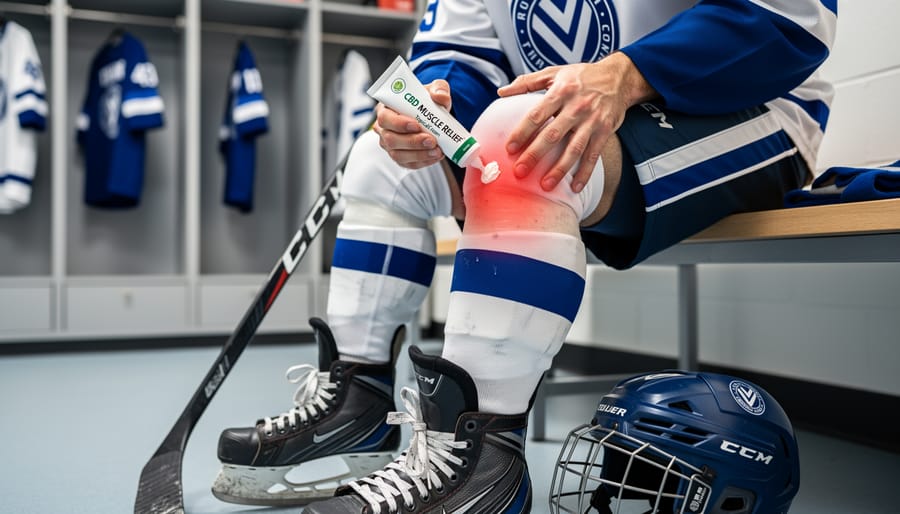
Timing is crucial for maximizing CBD’s recovery benefits after games. Apply CBD topicals within 30 minutes of leaving the ice, when inflammation begins setting in. Target high-impact areas like shoulders, hips, and knees with CBD creams or balms using circular massage motions to enhance absorption.
Combine CBD application with your existing recovery routine for optimal results. Apply topicals before ice baths to help reduce inflammation, or use them immediately after to soothe muscles. During post-game stretching sessions, massage CBD products into tight areas to promote flexibility and reduce soreness.
Focus on hockey-specific problem zones that take the most punishment. Defensemen should prioritize lower back and hip flexors, while forwards often need extra attention on quadriceps and groin areas. Goalies benefit from targeting hip adductors and shoulders. Consider taking CBD tinctures or capsules alongside topicals for systemic support throughout the body. This two-pronged approach addresses both localized discomfort and overall inflammation, helping you recover faster and return to peak performance sooner.
Daily Maintenance During Season
During the hockey season, establishing a consistent CBD routine helps manage the cumulative physical demands of training and competition. Many elite hockey trainers recommend taking CBD at the same times daily to maintain steady levels in your system. A typical schedule includes a morning dose of 15-25mg to address overnight inflammation, followed by a post-practice or post-game dose of 20-30mg to support immediate recovery.
For sleep optimization, take your evening CBD dose 30-60 minutes before bed. This timing aligns perfectly with in-season training protocols that prioritize rest and recovery. Sublingual oils work best for consistent daily dosing, while topicals can supplement your routine for targeted joint or muscle concerns.
Track your response by noting sleep quality, soreness levels, and on-ice performance. Adjust dosages gradually if needed, increasing by 5mg increments. Consistency is key to experiencing CBD’s full anti-inflammatory and recovery benefits throughout your season.
Finding Your Optimal Dose
Finding the right CBD dosage is a personalized process that requires patience and attention to your body’s response. Start with a low dose of 10-15mg daily, particularly if you’re new to CBD. Track your recovery metrics including sleep quality, pain levels, and muscle soreness in a journal or app for at least two weeks before making adjustments.
Gradually increase your dose by 5-10mg weekly until you notice optimal benefits. Body weight plays a significant role, with heavier players often requiring higher doses. Consider timing your intake around your off-season training program and game schedules for maximum effectiveness.
Recovery intensity also matters. Light practice days may need less CBD than post-game recovery or during injury rehabilitation. Listen to your body and adjust accordingly, remembering that consistency matters more than high doses for building lasting benefits.
What the Research Says About CBD and Athletic Recovery
The science behind CBD and athletic recovery is still developing, but early research shows promising results that are particularly relevant for hockey players dealing with intense physical demands.
A 2020 review published in Sports Medicine examined CBD’s potential for athlete recovery. The research suggests CBD may help manage exercise-induced inflammation by interacting with the body’s endocannabinoid system, which regulates immune response and pain perception. For hockey players dealing with post-game soreness and joint inflammation, this mechanism could support natural recovery processes.
Pain management represents another area where evidence is building. The World Anti-Doping Agency removed CBD from its prohibited substances list in 2018, recognizing its potential therapeutic benefits. Studies indicate CBD may help reduce certain types of pain without the side effects associated with traditional pain medications, though researchers emphasize more athlete-specific studies are needed.
Sleep quality improvements have shown particularly encouraging results. Research from the Permanente Journal found that 66.7 percent of participants experienced improved sleep scores within the first month of CBD use. Quality sleep is essential for hockey players, as it directly impacts reaction time, decision-making, and muscle recovery between games.
The National Institutes of Health notes that CBD appears to have a favorable safety profile with minimal side effects. However, current research limitations include small sample sizes and varying CBD formulations across studies, making definitive conclusions challenging.
What experts agree on is this: while CBD shows potential as a recovery tool, it works best as part of a comprehensive approach including proper nutrition, hydration, and rest. Hockey players considering CBD should view it as a complement to, not a replacement for, established recovery practices. Always consult with a healthcare provider before starting any new supplement, especially if you’re subject to drug testing protocols.
Potential Side Effects and Precautions
While CBD is generally well-tolerated, it’s important to understand potential side effects before incorporating it into your recovery routine. Being informed helps you make the best decisions for your body and performance.
The most commonly reported side effects are typically mild and include drowsiness, dry mouth, changes in appetite, and occasional digestive discomfort. Some players experience slight fatigue, particularly when first starting CBD or using higher doses. These effects usually diminish as your body adjusts, which is why starting with conservative doses is essential.
Drug interactions deserve special attention. CBD can interact with certain medications, particularly blood thinners, because it affects how your liver processes various compounds. If you’re taking any prescription medications or supplements, consult with your healthcare provider before adding CBD to your regimen. This step is especially critical for younger players who may be taking medication for any condition.
Athletes subject to drug testing should verify that products contain less than 0.3% THC and request third-party lab certificates. While CBD itself isn’t banned by most sports organizations, trace THC amounts in full-spectrum products could potentially cause testing concerns.
Start with the lowest recommended dose and gradually increase only if needed. Monitor how your body responds during both training and rest days. If you experience persistent side effects, discontinue use and consult a healthcare professional. Being proactive about safety ensures CBD enhances rather than hinders your recovery journey. Remember, what works for your teammate might not work identically for you, so personalized approach matters.
CBD recovery products represent a promising natural option for hockey players seeking to optimize their post-game and post-training recovery. Throughout this guide, we’ve explored how CBD may address the sport’s unique physical demands, from reducing inflammation after intense body checks to potentially improving sleep quality during grueling tournament schedules.
The key to success with CBD lies in choosing high-quality products from reputable manufacturers who provide third-party lab testing and clear dosage information. Remember that every player’s body responds differently, so start with lower doses and adjust gradually while monitoring your results. Consider keeping a recovery journal to track how different products and dosages affect your performance and well-being.
Smart recovery strategies are just as important as your on-ice training. By incorporating CBD alongside proper nutrition, hydration, stretching, and rest, you’re investing in both your immediate performance and long-term career longevity. Whether you’re a weekend warrior or pursuing elite-level competition, taking recovery seriously demonstrates the same commitment and discipline that defines great hockey players.
Consult with healthcare professionals familiar with sports medicine before adding CBD to your routine, especially if you’re subject to athletic drug testing. With the right approach, CBD can become a valuable tool in your recovery arsenal, helping you stay healthier, recover faster, and perform at your best shift after shift.